Insulating plaster for old walls.
Insulating plaster insulates the wall and lets it breathe. Ideal for old buildings, farmhouses and uneven masonry, where insulation boards don’t fit well. In Mönchaltorf, Uster, Zurich and the Zurich Oberland.
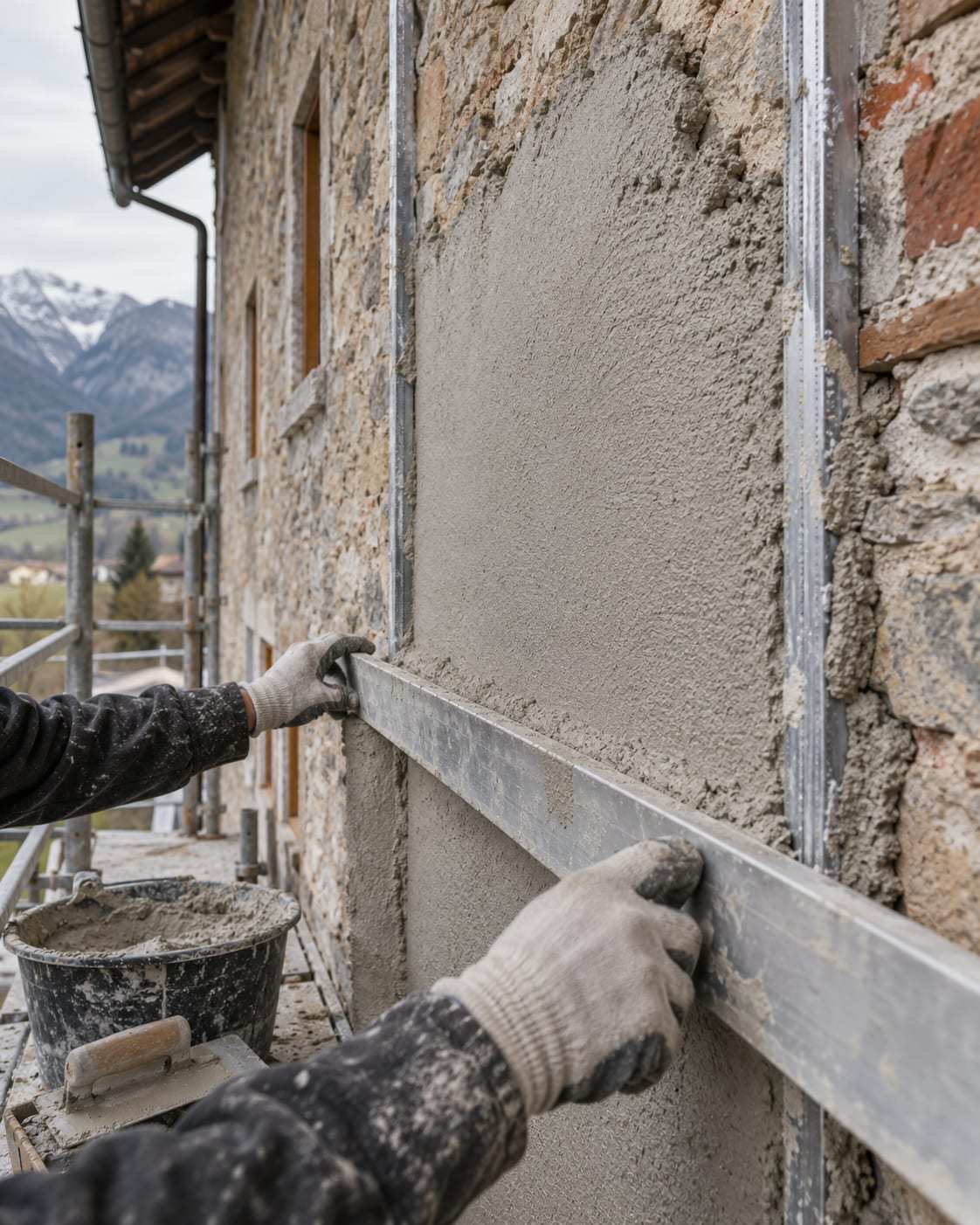
At a glance
- Insulation in the plaster, no boards
- Old buildings rubble stone and mixed masonry
- Breathable vapour-permeable and mineral
- Inside and outside
When insulating plaster makes sense
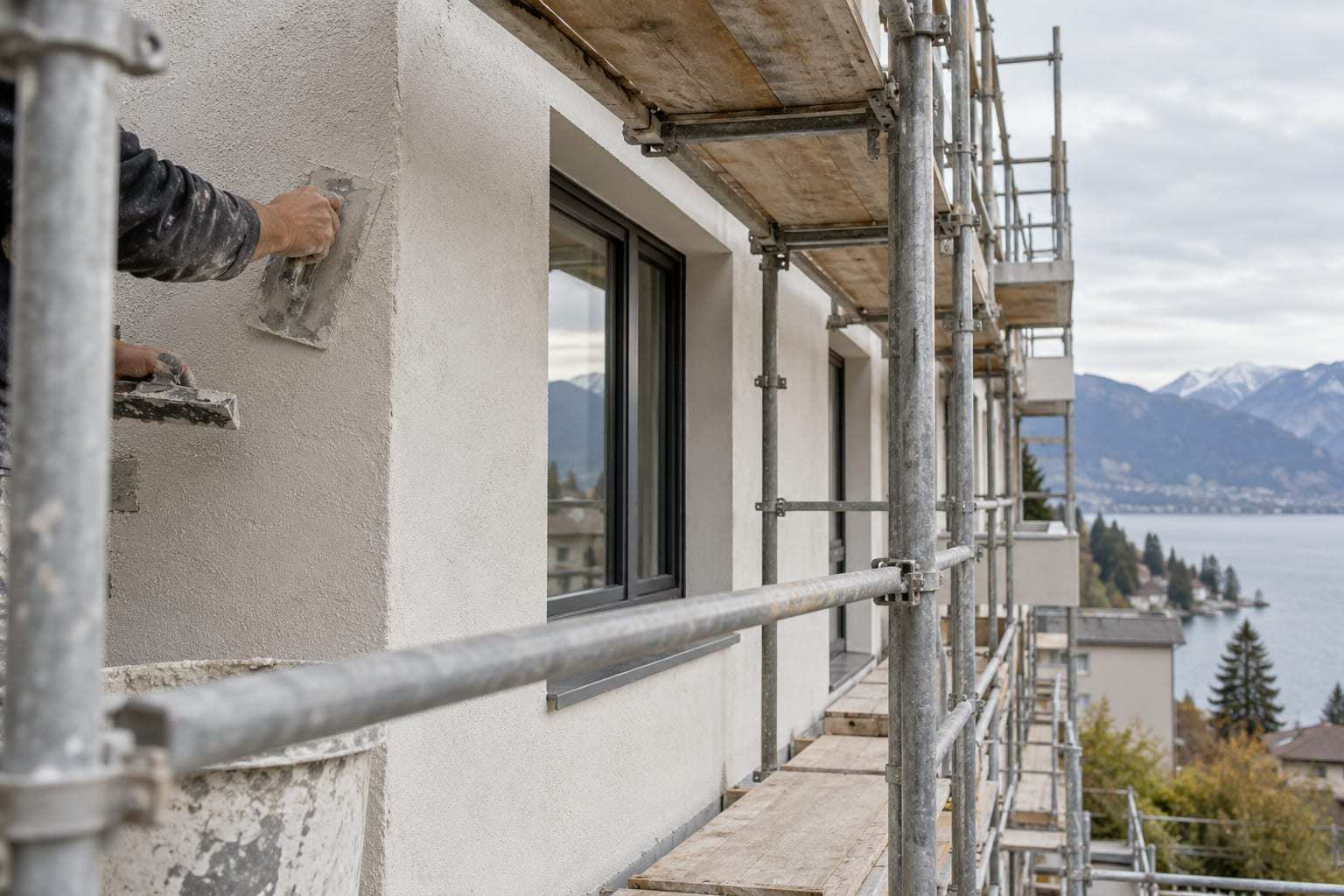
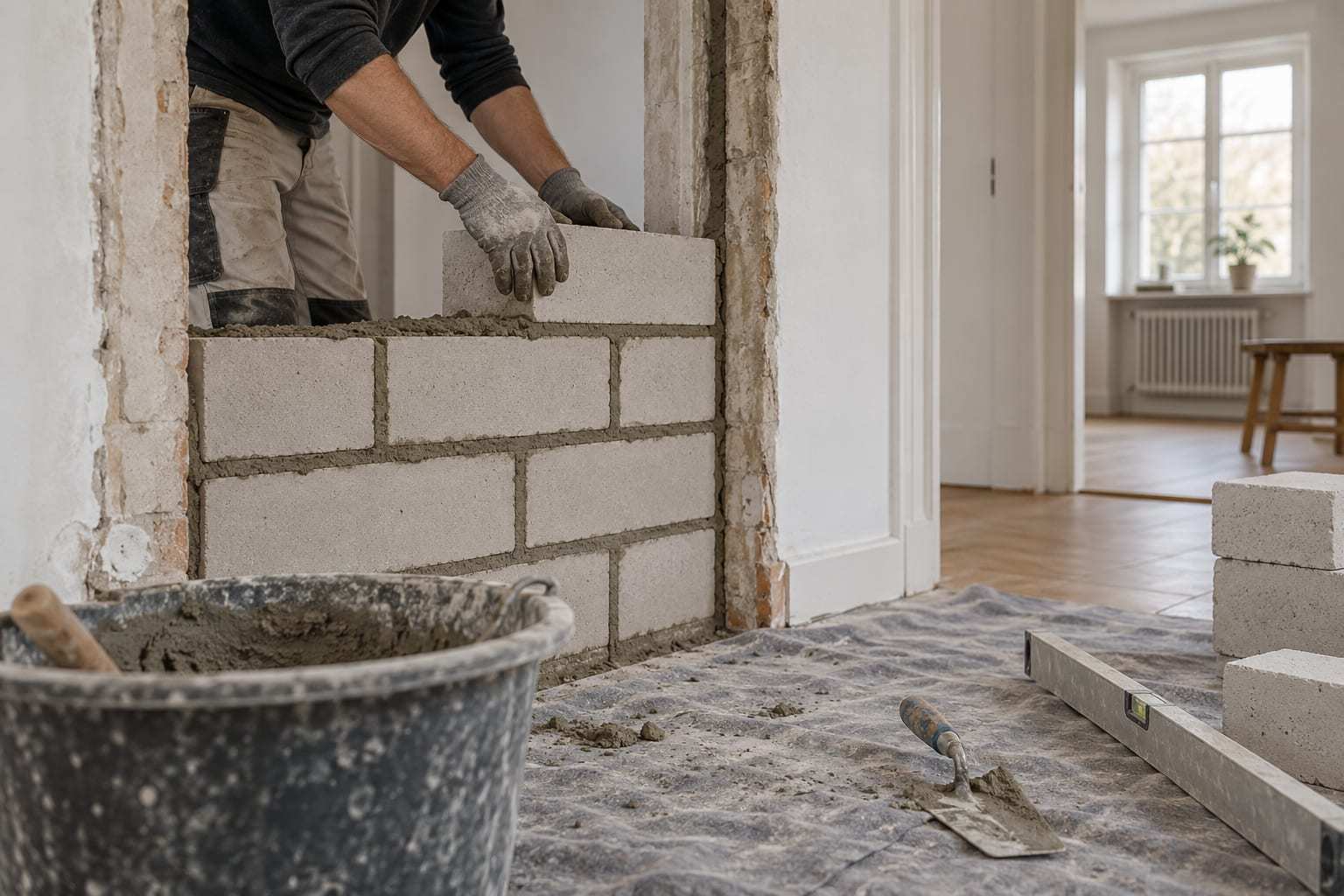
In old houses the walls are often out of true, built of rubble stone or of mixed materials. Insulation boards don’t fit well there. Thermal insulating plaster goes on in several coats, follows the wall and insulates without trapping moisture.
- Farmhouses and half-timbered houses
- Rubble stone and mixed masonry
- Inner face of external walls
- Basement walls and plinths
- Listed facades
What to bear in mind
Thickness
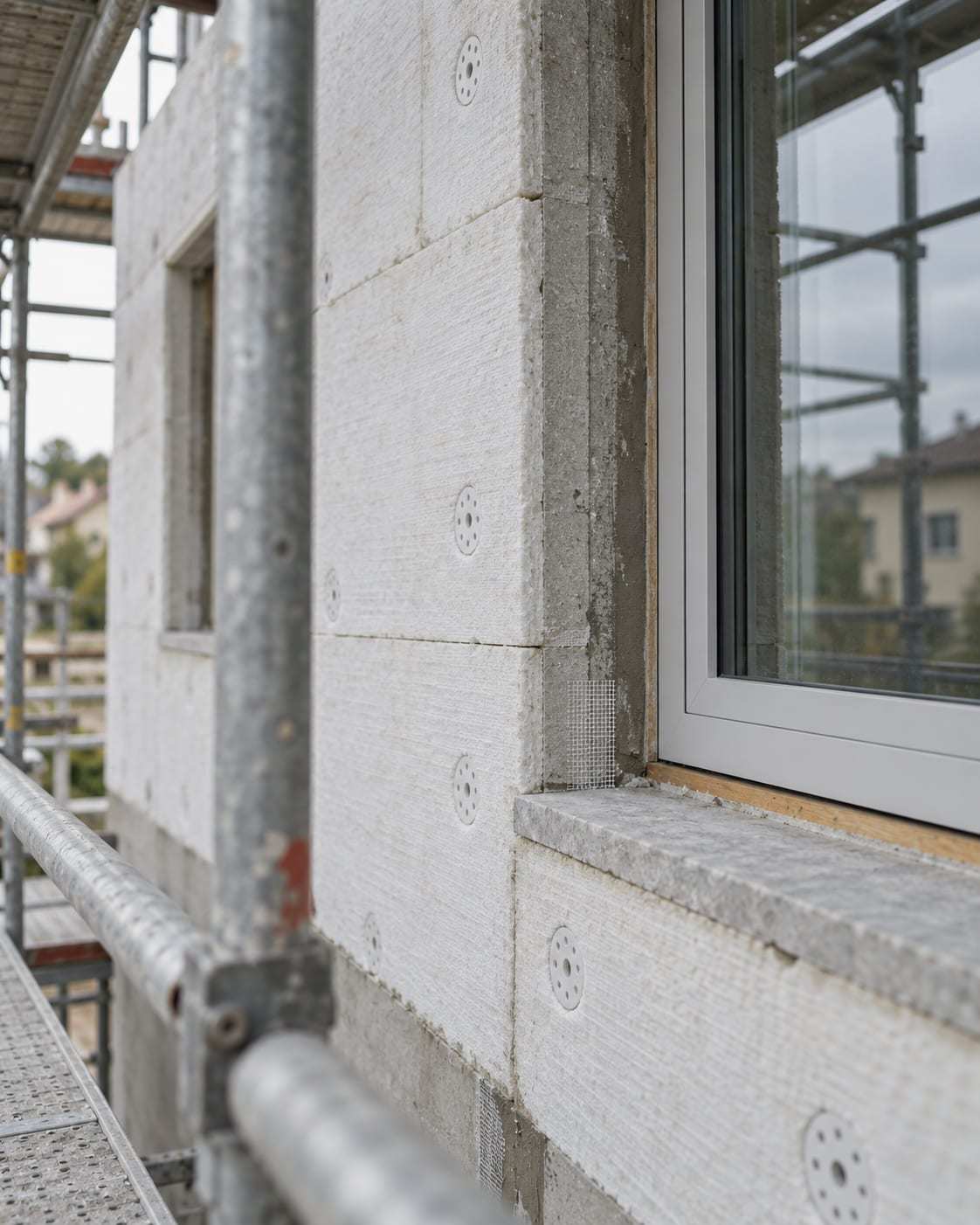
The thicker the insulating plaster, the better it insulates. We work out with you which thickness makes sense and what the window sills and junctions allow.
Top coat and protection
A top coat goes over the insulating plaster, and outside a coat of paint as well to keep out the weather. That way it keeps insulating for decades.
How it works
From checking the wall to the finished top coat.
Assessment
We check the masonry, damp and substrate and work out whether insulating plaster is the right solution.
Quote
You get a quote with thickness, top coat and schedule.
Plastering
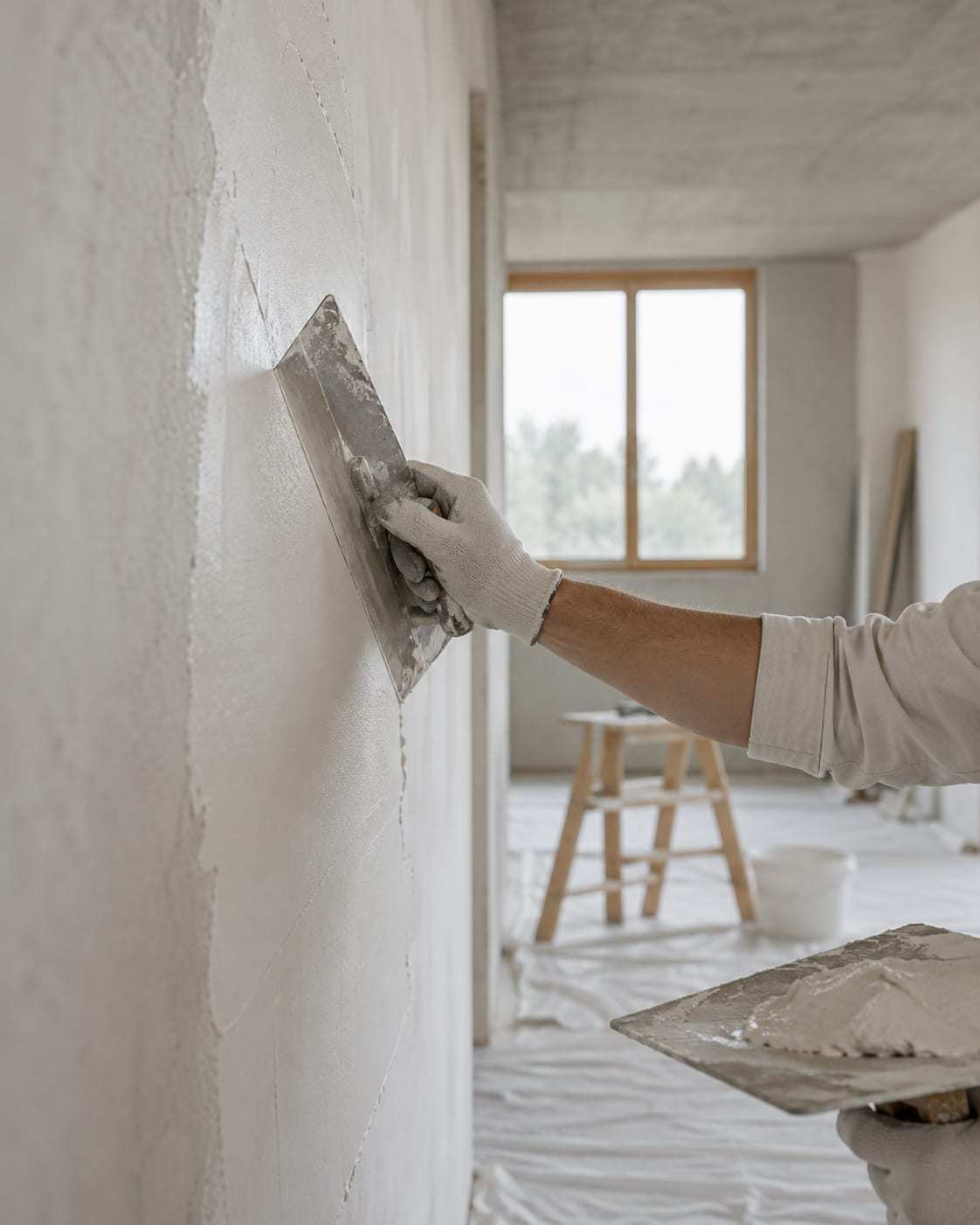
We fix plaster beads and apply the insulating plaster in several coats.
Handover
Once the top coat and paint are on, we go over the surfaces with you.
Frequently asked questions
Does it insulate as well as insulation boards?
Not quite. It insulates less per centimetre, but it adapts to uneven walls and stays breathable. In old buildings, that often matters more.
Are there subsidies?
The canton of Zurich offers subsidies for energy-saving renovations. Check with the Buildings Programme before work starts whether your project qualifies.
Can it be used inside?
Yes. Inside, insulating plaster is a good choice when the facade must not be changed, for example on listed houses.
How long does it take to dry?
Several weeks, depending on thickness and weather. We plan the coats so that each one can dry out properly.

Have an old house? We’ll check if insulating plaster suits it.
Nicole Wettstein will get back to you within two working days. Photos of the walls and the year of construction help us make a first assessment.